







Case Study
View Case StudyTray.ai
Migrating hundreds of thousands of pages, re-platforming and extending for the leading composable AI integration platform


Ship content from your codebase. We build fast, type-safe websites powered by MDX where your team owns every word in git. No CMS, no vendor lock-in, just markdown.
Your content lives in git. Your writers use the same pull request process as your engineers. Every change is reviewed, versioned, and deployed through your existing CI/CD pipeline. No extra logins, no proprietary editors, no surprise invoices from a CMS vendor.
Developer-first content
We pair MDX with Next.js to give your team the full power of React components inside markdown, without sacrificing the simplicity that makes markdown great.

Version controlled content
Every word on your site has a full commit history. Roll back a blog post, diff a landing page, or bisect a content regression the same way you would with code. Your content gets the same rigour as your software.
MDX components
Markdown is simple. MDX makes it powerful. Drop React components directly into your content: interactive demos, code playgrounds, charts, callouts, tabs. Your writers get the simplicity of markdown, your designers get the flexibility of React.
Type-safe frontmatter
Every content file is validated with Zod schemas at build time. Catch missing titles, broken image paths, and invalid metadata before they reach production. Your content pipeline is as strict as your TypeScript compiler.
Zero CMS costs
No per-seat pricing. No API rate limits. No vendor lock-in. Your content is plain text files in a git repo. Move hosts, change frameworks, or switch providers without a migration. Your content is yours, forever.
Instant builds
Static generation means your pages are pre-rendered at build time. No database queries at runtime, no cold starts, no loading spinners. Your content is served from the edge, as fast as physically possible.
Deploy anywhere
Vercel, Netlify, Cloudflare, AWS, or your own infrastructure. Markdown websites are just files and static output. You are never locked into a hosting provider or a proprietary deployment pipeline.
My best experience with a consulting company. The results were delivered faster than expected and with top quality. Jono ensured I understood the process and suggested a great approach. Both execution and communication were flawless.
CEO at Topaz Labs
Markdown websites work best for teams where developers are close to the content. If your engineering team writes docs, your founders write blog posts, or your product team maintains a changelog, this is built for you.
It's especially well-suited for developer tools, open source projects, SaaS documentation, and engineering-led startups where content lives alongside code.
Great question. If your content team lives in Google Docs and has never opened a terminal, a CMS like Sanity is probably a better fit. But if your writers are comfortable with markdown (and many are), the workflow is straightforward: edit a file, open a PR, preview the deploy, merge.
We can also set up GitHub's web editor so writers never need to leave their browser.
A headless CMS gives you a visual editor, real-time collaboration, and role-based access control out of the box. Markdown gives you version control, zero vendor costs, and total ownership.
The trade-off is simple: if your team already works in git and values simplicity, markdown is the right call. If you need a polished editorial experience for a large content team, a CMS will serve you better. We build both, so we will always recommend the right tool for your situation.
Yes. Markdown content is structured, portable, and easy to parse. We have built migration pipelines that move markdown content into Sanity, Contentful, and other CMS platforms. Starting with markdown does not lock you out of a CMS down the road.
Next.js with MDX. It gives you the best combination of static performance, React component support, and deployment flexibility. We pair it with Zod for content validation and Tailwind for styling.
The result is a site that builds in seconds, scores 100 on Lighthouse, and gives your team a workflow they already know.
Still scrolling?
Good. We like that you are thorough. Here is the case for markdown websites, stripped down to the essentials.
Your blog posts, documentation, and landing pages are .mdx files sitting next to your components. When a developer fixes a typo, they commit it. When a writer publishes a post, they open a PR. When marketing updates a landing page, the change goes through the same review process as a code change.
This is not a limitation. It is a feature. Every piece of content on your site has a full audit trail, can be rolled back in seconds, and is deployed through the same pipeline as your application code.
Plain markdown gives you headings, lists, and links. MDX gives you everything else. Embed a live code playground in your docs. Drop an interactive pricing calculator into a landing page. Add a video player, a comparison table, or a signup form directly into your blog post.
Your content team writes markdown. Your design system provides the components. MDX connects them without either side needing to compromise.
Every content file is validated against a Zod schema when your site builds. Missing a required field? The build fails. Broken image path? The build fails. Invalid date format? You get the idea.
This means content bugs are caught in CI, not in production. Your writers get clear error messages, and your users never see a broken page.
Markdown websites are statically generated. There is no database to query, no API to call, no server to spin up. Your pages are pre-rendered HTML served from the edge. The result is a website that loads instantly, scores perfectly on Core Web Vitals, and costs almost nothing to host.
See it in action
Want proof? The site you are reading right now is built with MDX and Next.js. Every page, every blog post, every service page is a markdown file in a git repo. Check out how we build it.
Fill out the form below and we'll get back to you
Functional, beautiful, websites that you actually want to edit
Case Study
View Case StudyMigrating hundreds of thousands of pages, re-platforming and extending for the leading composable AI integration platform
Case Study
View Case StudyFrom Sanity overages to instantaneous publishing, we brought Mario Testino into the fast lane, and did it in style.

Case Study
View Case StudyHelping the UAE's most prolific Pay in 4 merchants scale their design system and composable infrastructure.

Case Study
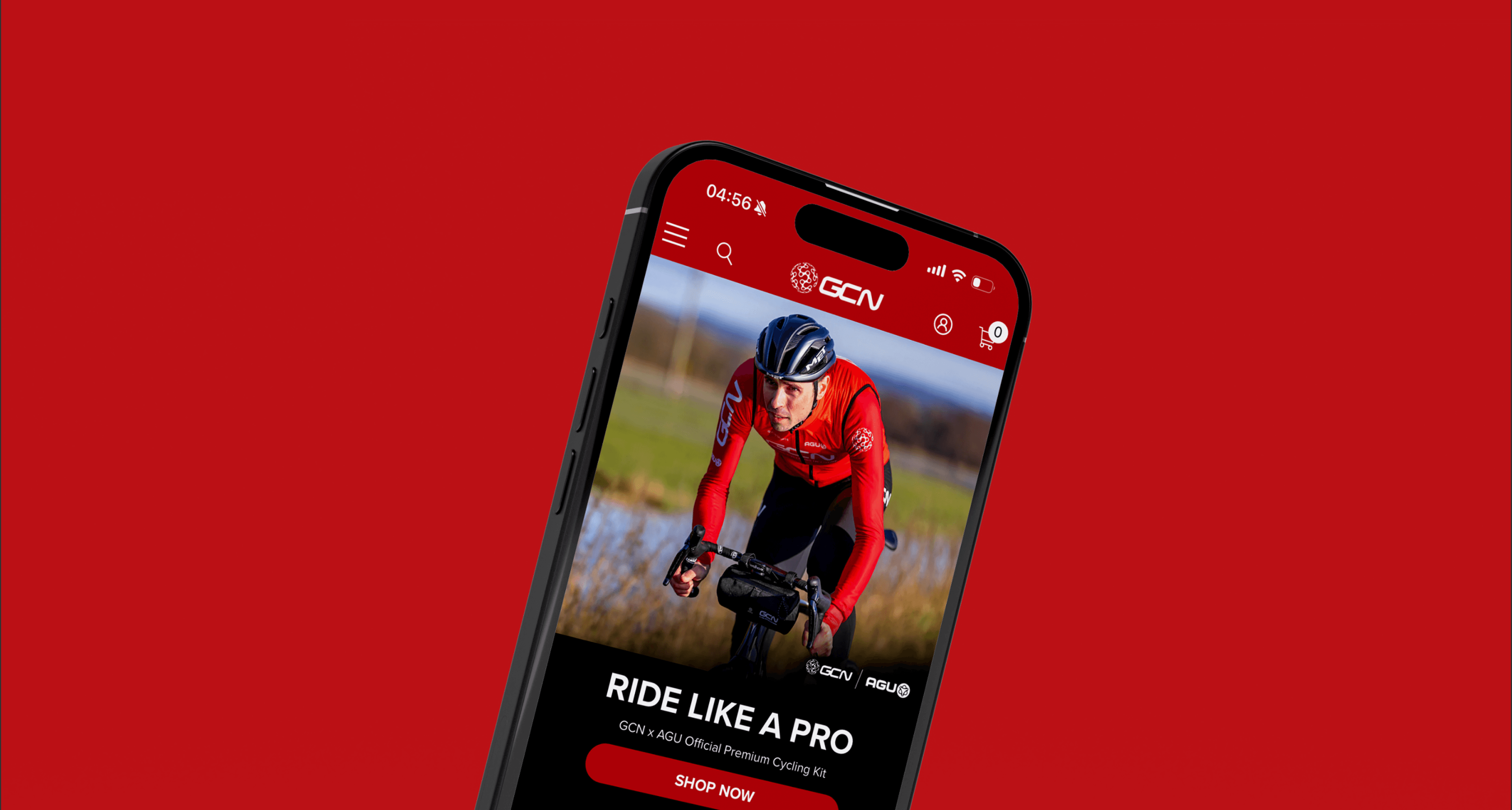
View Case StudyHow we helped the fastest growing online cycling community, push the editorial velocity to new heights.